Finding Keyword Opportunities Without Data
If we take the most recent figures from Internet Live Statistics, which mention 3.5 billion inquiries are browsed every day, that suggests that 525 countless those inquiries are brand brand-new.
That is a substantial variety of opportunities waiting to be recognized and infiltrated methods, optimization, and material plans. The difficulty is, all of the usual keyword research tools are, at best, a month behind with the data they can offer. Even then, the volumes they report need to be taken with a grain of salt-- you're informing me there are just 140 searches each month for "women's discount rate designer clothes"?-- and if you operate in B2B markets, those searches are generally much smaller volumes to start with.
We understand there are substantial quantities of searches readily available, with more and more being included every day, but without the data to see volumes, how do we understand what we should be working into techniques? And how do we discover these opportunities in the first place?
Discovering the opportunities
The typical tools we turn to aren't going to be much usage for keywords and topics that haven't been searched in volume formerly. So, we require to get a little imaginative-- both in where we look, and in how we identify the capacity of queries in order to start prioritizing and working them into techniques. This means doing things like:
- Mining People Likewise Ask
- Scraping autosuggest- Drilling into associated keyword styles
- Mining Individuals Likewise AskPeople Likewise Ask is an excellent location to start trying to find new keywords, and tends to be more up to date than the different tools you would normally utilize for research study. The trap most online marketers fall into is looking at this information on a small scale, realizing that (being longer-tail terms) they do not have much volume, and discounting them from techniques. But when you follow a larger-scale procedure, you can get much more details about the themes and topics that users are looking for and can begin outlining this in time to see emerging topics quicker than you would from basic tools.
To mine PAA features, you require to:
1. Start with a seed list of keywords.
2. Use SerpAPI to run your keywords through the API call-- you can see their demonstration user interface below and try it yourself:
3. Export the "related concerns" functions returned in the API call and map them to overall topics using a spreadsheet:
4. Export the "associated search boxes" and map these to general topics as well:
5. Look for constant themes in the topics being returned throughout related concerns and searches.
6. Add these total themes to your preferred research study tool to identify extra related chances. For example, we can see coffee + health is a consistent subject area, so you can add that as an overall style to explore further through sophisticated search specifications and modifiers.
7. Add these as seed terms to your favored research tool to take out related questions, like using broad match (+ coffee health) and expression match (" coffee health") modifiers to return more relevant inquiries:
This then offers you a set of extra "recommended questions" to expand your search (e.g. coffee advantages) as well as related keyword ideas you can check out further.
This is likewise a great place to begin for identifying differences in search queries by location, like if you wish to see different topics people are looking for in the UK vs. the United States, then SerpAPI enables you to do that at a bigger scale.
If you're seeking to do this on a smaller sized scale, or without the need to establish an API, you can also utilize this truly helpful tool from Candour-- Also Asked-- which pulls out the associated concerns for a broad subject and permits you to conserve the information as a.csv or an image for fast review:
When you've identified all of the subjects individuals are looking for, you can start drilling into brand-new keyword chances around them and examine how they alter over time. A number of these chances don't have swathes of historic data reported in the normal research tools, but we understand that individuals are looking for them and can utilize them to notify future content topics as well as instant keyword chances.
You can also track these Individuals Likewise Ask features to determine when your rivals are appearing in them, and get a much better idea of how they're altering their strategies over time and what kind of content and keywords they might likewise be targeting. At Found, we use our bespoke SERP Realty tool to do simply that (and a lot more) so we can find these chances quickly and work them into our approaches.
Scraping autosuggest
This one doesn't need an API, but you'll need to be cautious with how regularly you utilize it, so you don't start activating the dreaded captchas.

To scrape autosuggest, you utilize an extremely simple URL query string:
https://suggestqueries.google.com/complete/search?output=toolbar&hl=&gl=uk&q=
Okay, it does not look that easy, however it's essentially a search question that outputs all of the recommended inquiries for your seed inquiry.
So, if you were to get in "cyber security" after the "q=", you would get:
This provides you the most typical recommended queries for your seed term. Not just is this a goldmine for determining extra queries, but it can reveal a few of the newer questions that have started trending, along with details related to those questions that the normal tools won't supply information for.
If you desire to understand what individuals are browsing for associated to COVID-19, you can't get that information in Keyword Coordinator or most tools that utilize the platform, since of the advertising restrictions around it. If you add it to the recommend inquiries string, you can see:
This can give you a starting point for brand-new inquiries to cover without counting on historical volume. And it doesn't just provide you ideas for broad topics-- you can add whatever inquiry you desire and see what associated suggestions are returned.
If you want to take this to another level, you can change the place settings in the query string, so rather of "gl= uk" you can include "= us" and see the recommended queries from the US. This then opens up another chance to look for differences in search behavior throughout various areas, and begin determining distinctions in the kind of content you need to be focusing on in various areas-- particularly if you're dealing with international sites or targeting international audiences.
Refining subject research
Although the typical tools won't offer you that much info on brand name brand-new inquiries, they can be a goldmine for identifying additional opportunities around a topic. If you have actually mined the PAA function, scraped autosuggest, and organized all of your new opportunities into topics and styles, you can enter these recognized "topics" as seed terms to most keyword tools.
Google Ads Keyword Coordinator
Presently in beta, Google Ads now offers a "Improve keywords" function as part of their Keyword Concepts tool, which is great for determining keywords related to an overarching topic.
Below is an example of the kinds of keywords returned for a "coffee" search:
Here we can see the keyword concepts have actually been grouped into:
Brand name or Non-Brand-- keywords connecting to specific companies
Drink-- kinds of coffee, e.g. espresso, iced coffee, brewed coffeeItem-- capsules, pods, immediate, ground
Approach-- e.g. cold brew, French press, drip coffee
- Start here with an overarching subject to identify related terms and after that go through the PAA/autosuggest identification process.
- Start with the PAA/ autosuggest recognition process and put your seo agency gold coast brand-new topics into Keyword
Planner
Whichever way you set about it, I 'd suggest doing a couple of runs so you can get as numerous originalities as possible. When you've determined the topics, run them through the fine-tune keywords beta to take out more related topics, then run them through the PAA/autosuggest process to get more subjects, and repeat a couple of times depending how many locations you want to explore or how thorough you require your research study to be.
Google Trends
Patterns information is one of the most updated sets you can take a look at for subjects and particular inquiries. Nevertheless, it is worth noting that for some subjects, it doesn't hold any data, so you may face issues with more niche locations.
Utilizing "travel ban" as an example, we can see the patterns in searches in addition to related subjects and particular associated inquiries:
Now, for brand-new opportunities, you aren't going to discover a big quantity of data, however if you have actually grouped your opportunities into overarching subjects and styles, you'll have the ability to find some extra opportunities from the "Associated subjects" and "Related questions" sections.
In the example above we see these areas consist of particular locations and particular points out of coronavirus-- something that Keyword Organizer won't provide information on as you can't bid on it.
Drilling into the different related subjects and queries here will give you a bit more insight into additional locations to check out that you might not have actually otherwise been able to determine (or confirm) through other Google platforms.
Moz Keyword Explorer
The Moz user interface is a terrific starting point for validating keyword opportunities, as well as determining what's presently appearing in the SERPs for those terms. A search for "london theatre" returns the following breakdown:
From here, you can drill into the keyword tips and start organizing them into themes also, as well as having the ability to evaluate the present SERP and see what sort of content is appearing. This is particularly helpful when it pertains to comprehending the intent behind the terms to make certain you're taking a look at the opportunities from the best angle-- if a lot more ticket sellers are showing than news and guides, for instance, then you wish to be focusing these opportunities on more business pages than informational material.
Other tools
There are a variety of other tools you can use to more fine-tune your keyword subjects and identify new associated concepts, consisting of the likes of SEMRush, AHREFS, Answer The Public, Ubersuggest, and Sistrix, all using relatively similar approaches of improvement.
The key is determining the chances you want to check out further, looking through the PAA and autosuggest questions, grouping them into themes, and then drilling into those styles.
Keyword research study is an ever-evolving procedure, and the methods which you can discover opportunities are always changing, so how do you then start planning these brand-new opportunities into methods?
Forming a strategy
Once you have actually got all of the information, you require to be able to formalize it into a strategy to understand when to begin creating content, when to enhance pages, and when to put them on the back burner for a later date.
A quick (and consistent) way you can quickly plot these new opportunities into your existing plans and techniques is to follow this procedure:
Determine brand-new searches and group into themes
Screen changes in brand-new searches. Run the workout when a month to see how much they change with time
Plot patterns in modifications together with market advancements. Was there an event that altered what individuals were searching for?
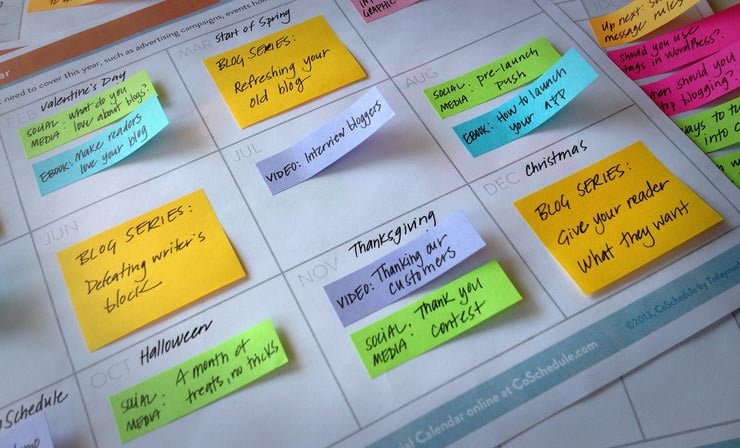
Group the opportunities into actions: create, upgrade, optimize.Group the chances into time-based classifications: topical, interest, evergreen, growing, and so on
. Plot timeframes around the material pieces. Anything topical gets relocated to the top of the list, growing themes can be outlined in around them, interest-based can be slotted in throughout the year, and evergreen pieces can be turned into more hero-style content.You end up with a strategy that covers:
All of your planned material.
All of your existing content and any updates you may wish to make to include the new chances.
A revised optimization approach to operate in brand-new keywords on existing landing pages.
A revised Frequently Asked Question structure to address inquiries individuals are searching for (prior to your competitors do).Developing styles of material for hubs and classification page growth.
Conclusion
Finding brand-new keyword chances is vital to remaining ahead of the competitors. New keywords indicate brand-new methods of browsing, new details your audience requires, and brand-new requirements to fulfill. With the processes detailed above, you'll be able to keep top of these emerging subjects to plan your techniques and priorities around them.