Data-backed insights on featured bit optimization
Around one-fifth of all keywords activate a highlighted snippet
99 percent of all included bits tend to appear within the first organic position and take control of 50% of the screen on mobile phones, driving higher-than-average click-through online marketing essentials rates (CTR).
The secret to included snippet optimization lies in a few specific locations: long-tail- and question-like keyword method, date marked material that comes at the best length and format, and a concise URL structure.

Exposing the highlights from a Featured bits research study that analyzed over a million SERPs with featured bits present, this post unwraps actionable recommendations on amping up your optimization strategy to lastly win that Google prize.
General patterns across the included snippet landscape.
With billions of search questions run through the Google search box each day, our study found that around 19 percent of keywords set off a highlighted bit. Why does this even matter? Featured bits are understood to drive greater CTR-- as another research study revealed, they are responsible for over 35 percent of all clicks.
More showing the immense power of highlighted bits, our study showed that they use up over half of the SERP's real estate on mobile screens.
Combine this with our findings that 99 percent of the time featured bits take control of the very first organic position, and that they are in a lot of cases activated by long-tail keywords (indicating specific user intent), and you'll get the reason behind incredibly high CTR numbers.
Are some industries more likely to trigger highlighted snippets?
In the research study, we specified markets by keyword categories, discovering that, undoubtedly, featured snippet volume is inconsistent across various sectors.The leading industry, seeing an included bit in 62 percent of all cases, is Travel and Computer System & Electronic devices, followed by Arts & Home entertainment (59 percent), and Science (54 percent), while Property keywords drag all the rest with just 11 percent of keywords triggering an included snippet.
featured bit optimization insights on keyword classifications that trigger.
On a domain level, the market breakdown differs somewhat, with Health and News sites having similar featured bit volumes.
You can discover the complete industry breakdown within the study.
Featured snippets are all about makes, not wins.
Just hoping your material will win you an included snippet isn't enough-- as our research study revealed, it's all about hard-earned content optimization results.

1. Enhance for long-tail keywords and questions.
When it concerns optimization and keywords, utilize 'the more the much better' reasoning.
Our study discovered that 55.5 percent of highlighted snippets were activated by 10-word keywords, while single-word ones only showed up 4.3 percent of the time.
One thing even better than long-tails is questions. 29 percent of keywords activating a featured snippet begin with question words-- "why" (78 percent), "can" (72 percent), "do" (67 percent), and in the least cases, "where" (19 percent).
included snippet optimization insights on question keywords that activate.
2. Use the best material length and format.
The SERPs we analyzed consisted of four types of featured snippet: paragraphs, lists, tables, and videos:.
70 percent of the outcomes showed paragraphs, with approximately 42 words and 249 characters.
Lists can be found in as the second-most-frequent highlighted bit (19 percent), with an average of 6 item counts and 44 words.
Tables (6 percent) typically included five rows and 2 columns.Videos, whose average duration stood at 6:39 mins, appeared in just 4.6 percent of all cases.
Of course, do not blindly follow this information as the principle, rather see it as an excellent starting point for featured-snippet-minded material optimization.Plus, bear in mind that content quality constantly prevails over amount, so if you have a high-performing piece that includes a 10-row table, Google will just suffice down, showing the blue "More rows" link, which can even enhance your CTR.
3. Don't overcomplicate your URL structure.
As it turns out, URL length matters in Google's option of a website that deserves a featured bit. Try to adhere to neat site architecture, with 1-3 subfolders per URL, and you'll be most likely to win.
Simply for recommendation, here is an example of a URL with three subfolders:.
xyz.com/subfolder1/subfolder2/subfolder3.
4. Make regular content updates.
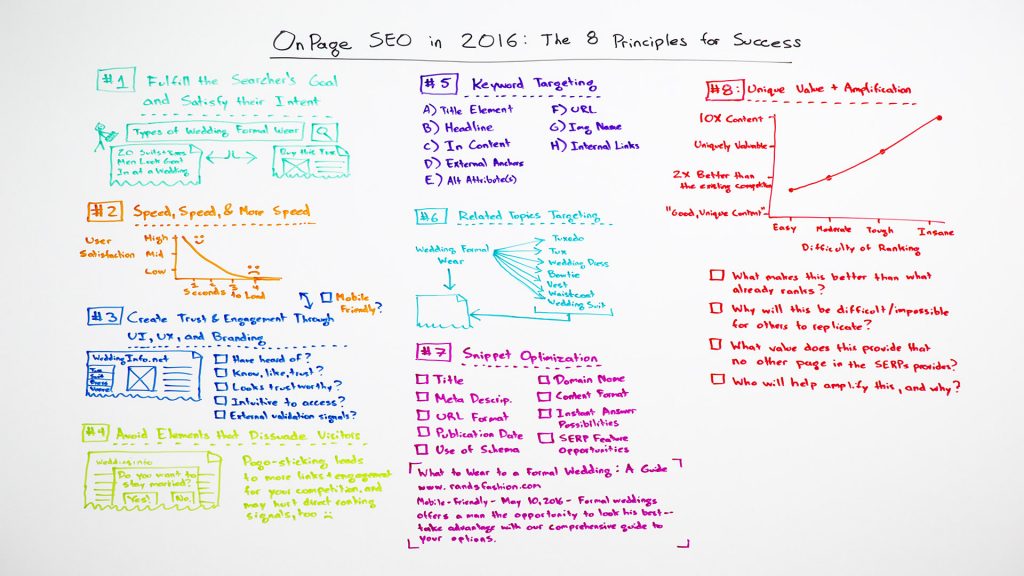
In the "to include or not to include a post date" problem, based on our featured snippet analysis, we 'd suggest that you publish date-marked material.
The majority of Google's featured snippets include a post date, with the following breakdown: 47 percent of list-type featured bits come from date-marked material, paragraphs-- 44 percent, videos-- 20 percent, and tables-- 19 percent of the time.
While fresh-out-of-the-oven content can be preferred by Google, 70 percent of all content making it into the featured snippet was anywhere from two to three years of ages (2018, 2019, 2020), indicating once again that content quality matters more than recency, so you shouldn't worry that putting a date on it will work against you.